Elements

The Language of Chinese Architecture

Understanding the key elements that distinguish ancient Chinese buildings from every other architectural tradition.

Chinese architecture speaks a consistent visual language for over three millennia. The dougong bracket, the sweeping roof, the courtyard plan, and the painted decorative program recur from the smallest village shrine to the grandest imperial hall. Master these six elements and you can read any traditional Chinese building at a glance — and understand why it looks the way it does.

Each element page explains how the component works structurally, traces its evolution across dynasties, and points to famous surviving examples you can visit. Every page also includes a comparison table, practical details, and answers to the questions travelers and students most often ask.

The elements are best studied together: roofs are supported by brackets, brackets frame courtyards, courtyards display decoration, and every material choice follows rules set by the timber tradition. If you are new to the subject, start with dougong — it is the single most distinctive invention in Chinese building — then work outward.

Dougong Brackets

The interlocking wooden bracket system

Dougong Brackets

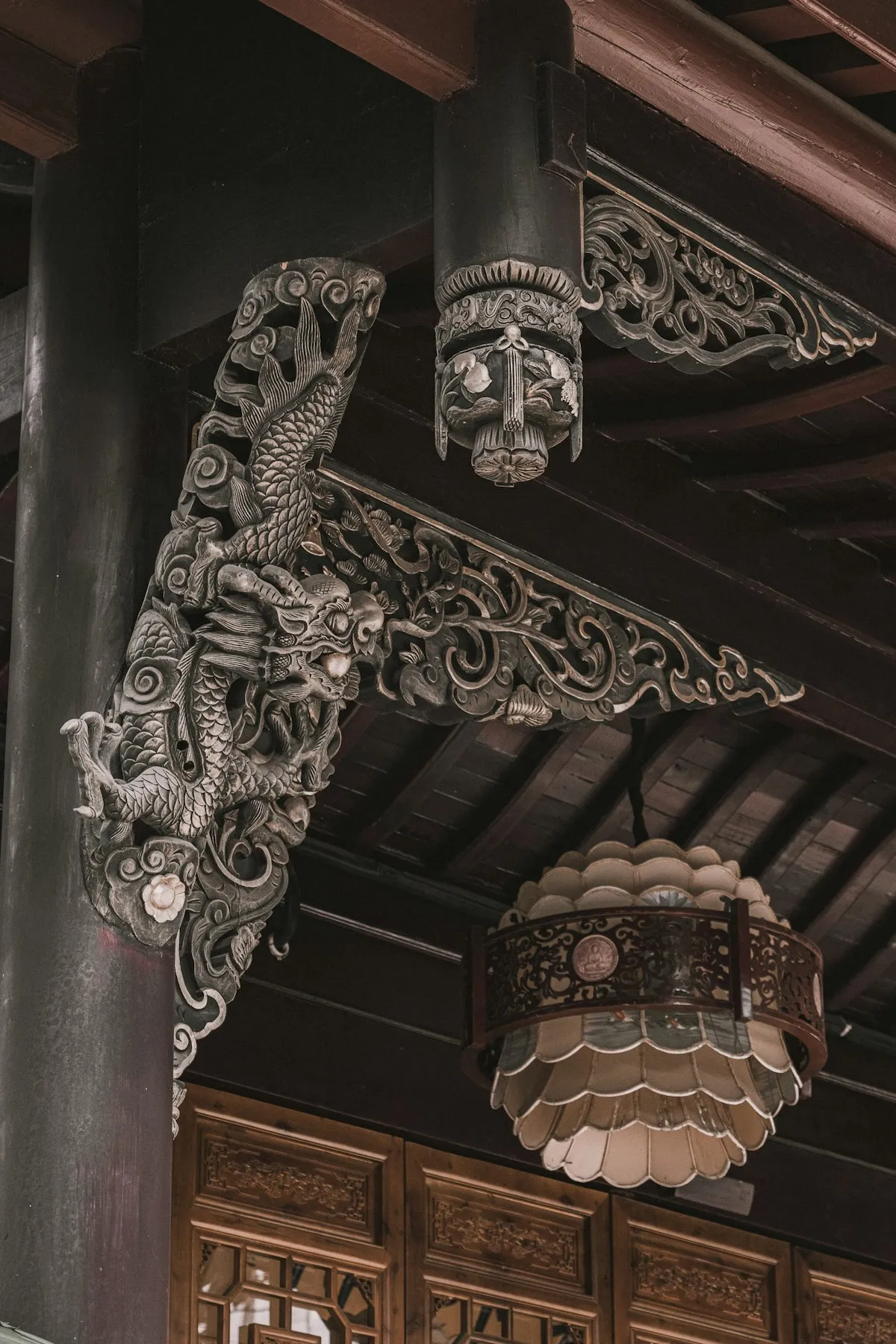
The dougong is the most distinctive and ingenious element of traditional Chinese architecture. It is an interlocking system of wooden brackets placed atop columns to support the pr...
No nails or glue — pure joineryActs as a seismic shock absorber
Roof Forms

The crowning glory of Chinese architecture

Roof Forms

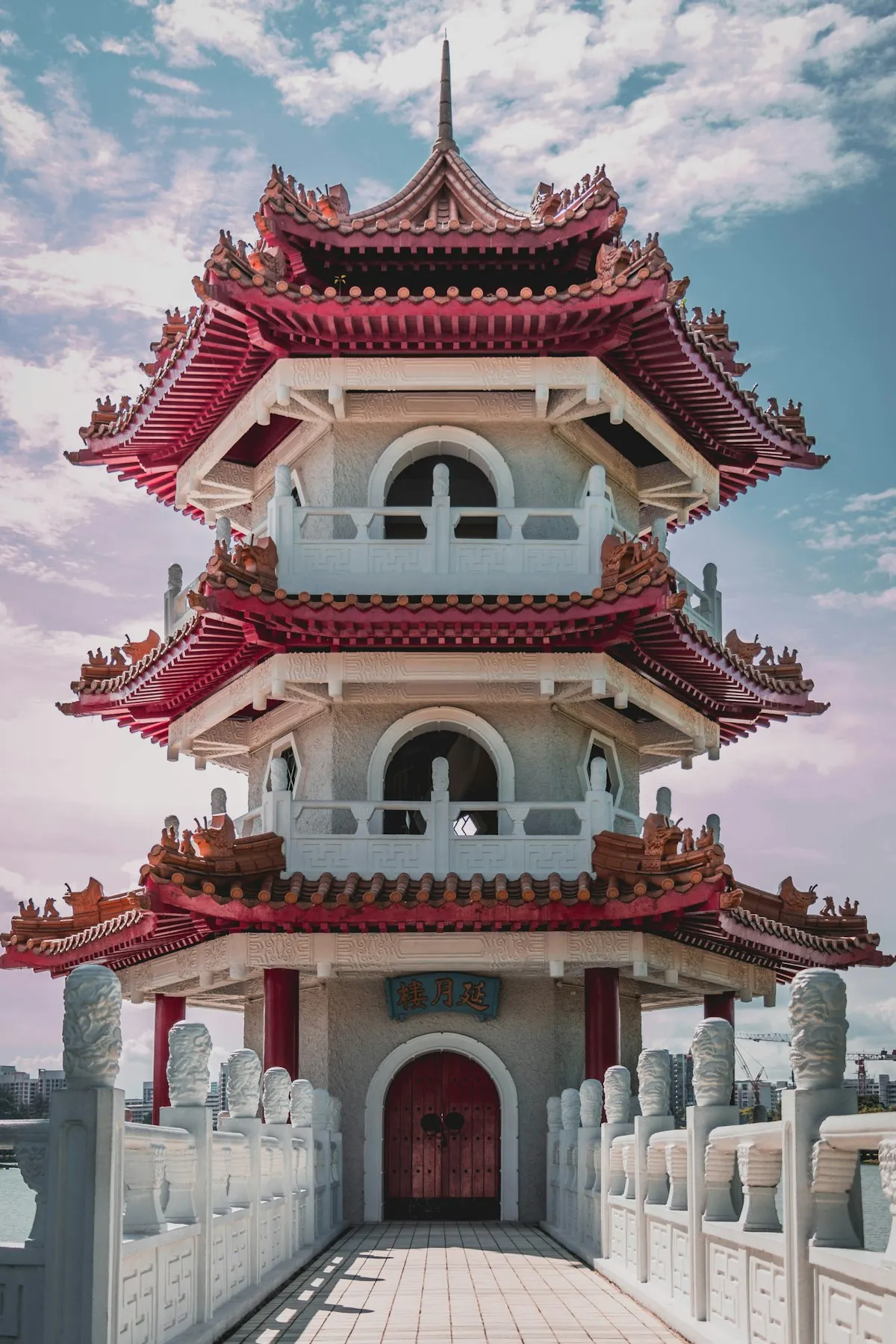
The roof is the most legally regulated element of Chinese architecture. Five principal forms — hip, hip-and-gable, overhanging gable, flush gable, and pyramidal — were ranked by st...
5 primary roof forms ranked by statusCurved eaves for practical and symbolic reasons
Courtyard Layouts

Harmony between heaven and earth

Courtyard Layouts

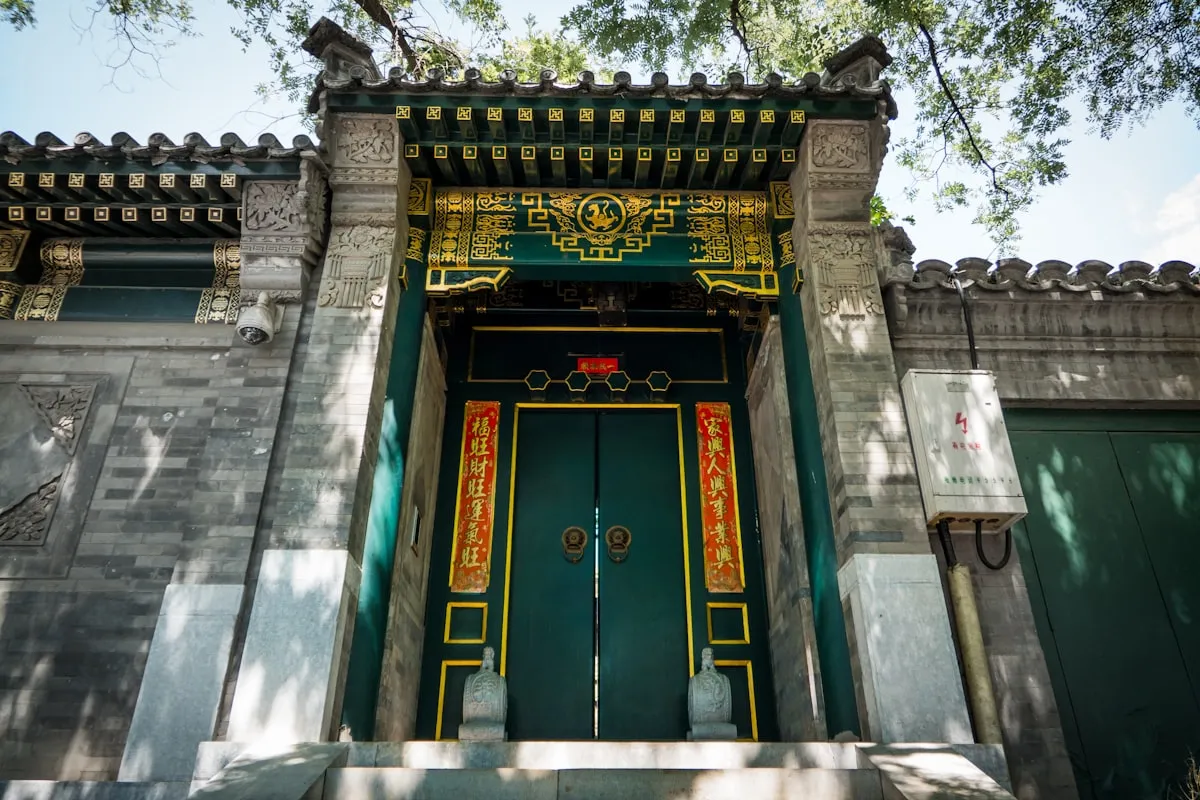
The courtyard — whether the humble siheyuan of Beijing or the vast walled compounds of the Forbidden City — is the fundamental organizing principle of Chinese architecture. A commo...
North-south axis with south-facing main hallsCourtyard size reflects social rank
Decorative Motifs

Symbolism in color, pattern, and figure

Decorative Motifs

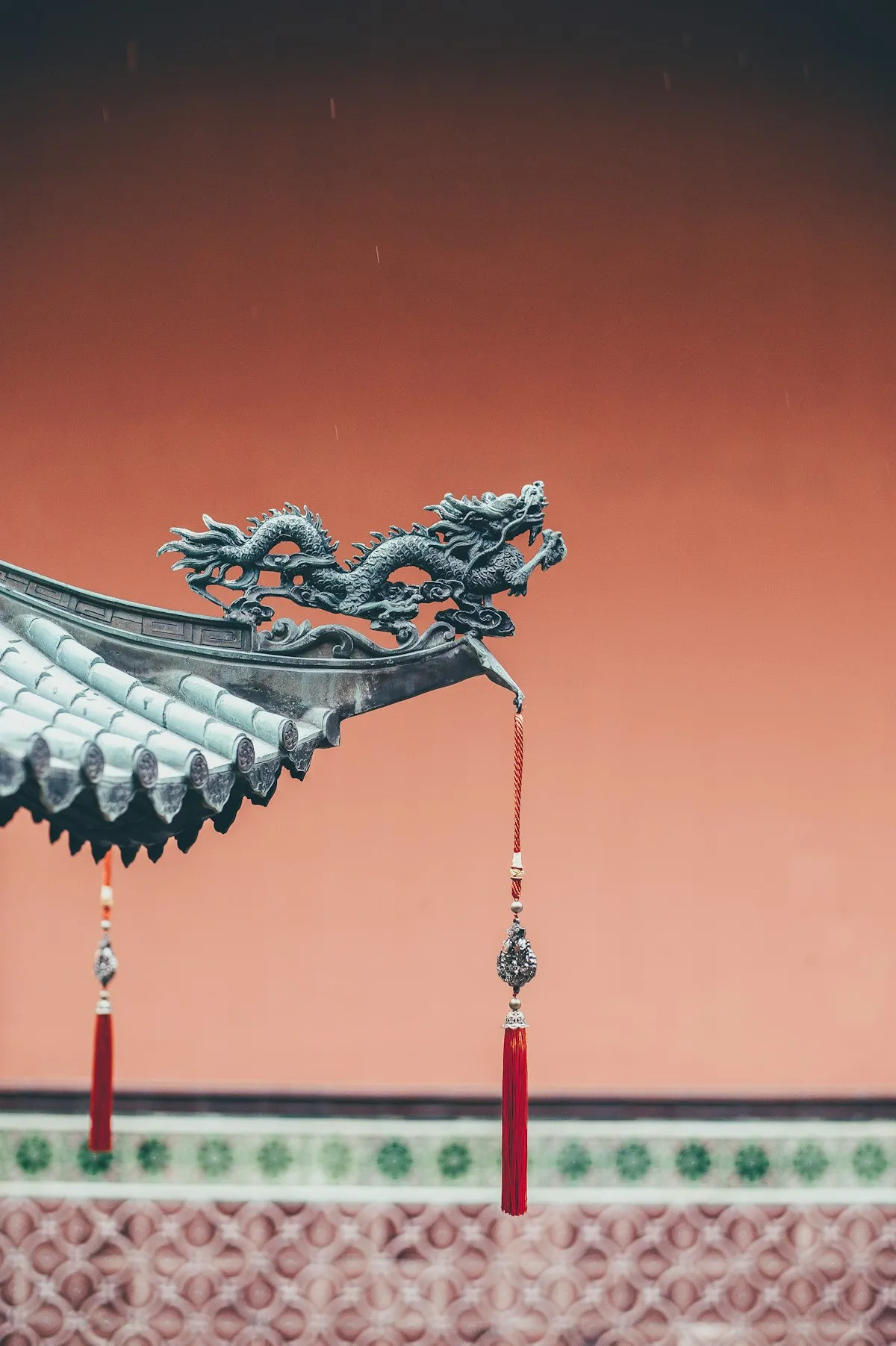
Chinese architectural decoration is a legally enforced language of rank. The ridge beasts marching along the roof are talismans that also pin down heavy glazed ridge-caps against w...
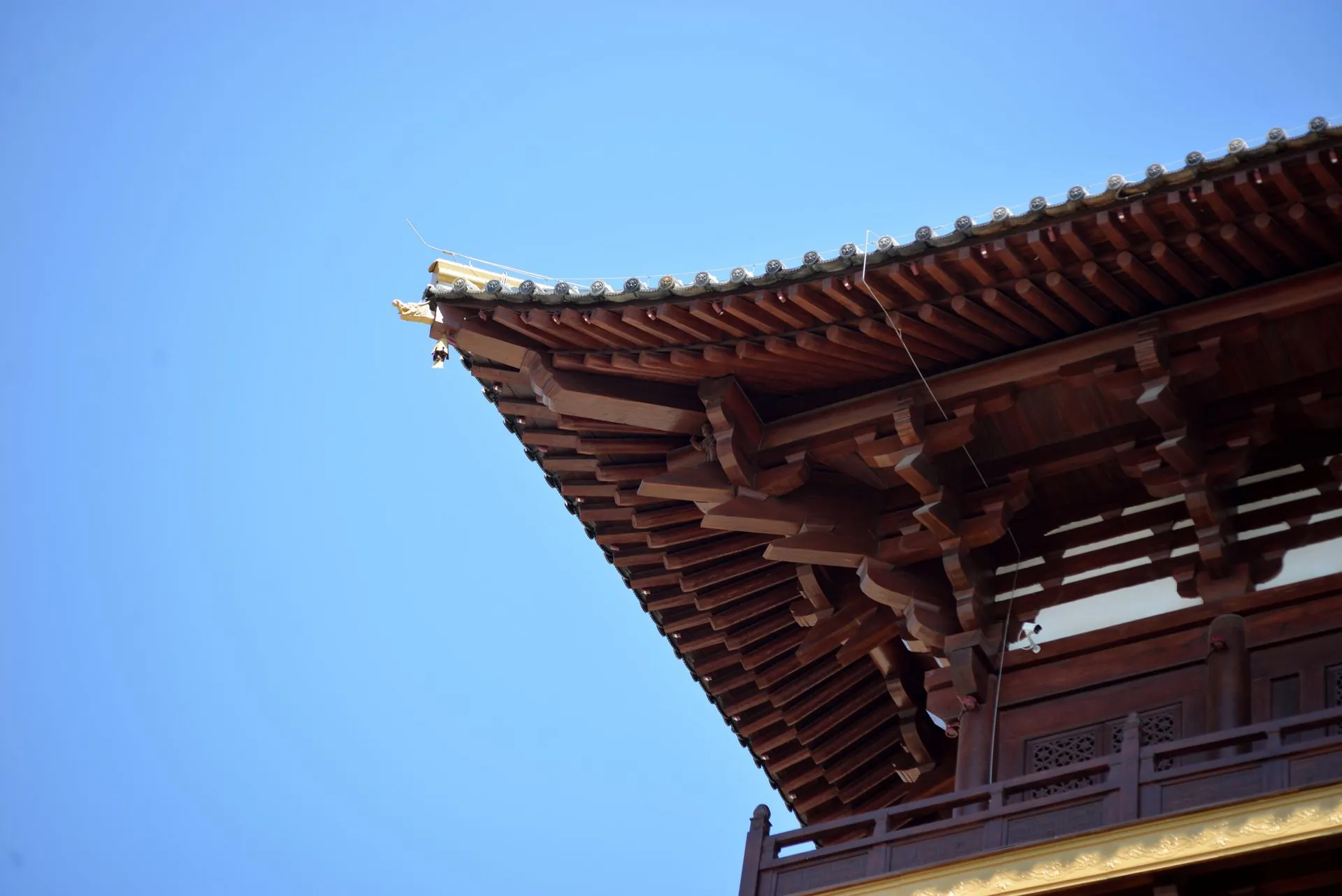
Color hierarchy: Yellow > Red > Green > BlueRidge beasts indicate building rank
Materials & Structure

Wood, rammed earth, brick and the timber frame

Materials & Structure

The genius of Chinese architecture lies in its materials and structural logic. Wood was always the preferred building material — not stone — and the timber frame, with its mortise-...
Timber frame with mortise-and-tenon joints — no nailsRammed earth (hangtu) foundations since the Shang dynasty
Vernacular Houses

Courtyard homes, tulou, cave dwellings and stilt houses

Vernacular Houses

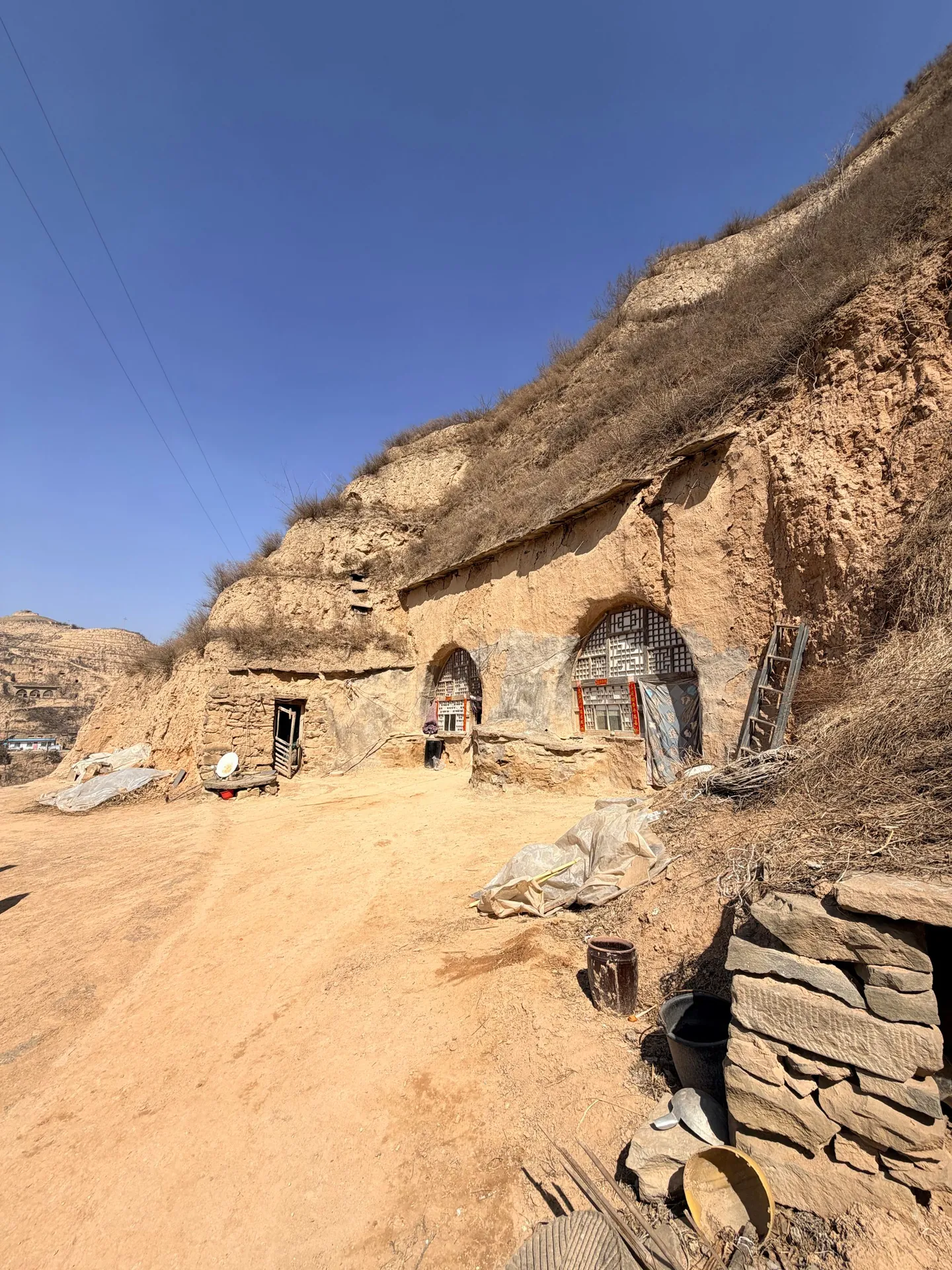
Beyond palaces and temples lies the architecture of ordinary people — the vernacular tradition that adapted China's diverse climates and cultures into hundreds of local house forms...

Siheyuan courtyard house — passive solar designFujian tulou — clan fortresses of rammed earth