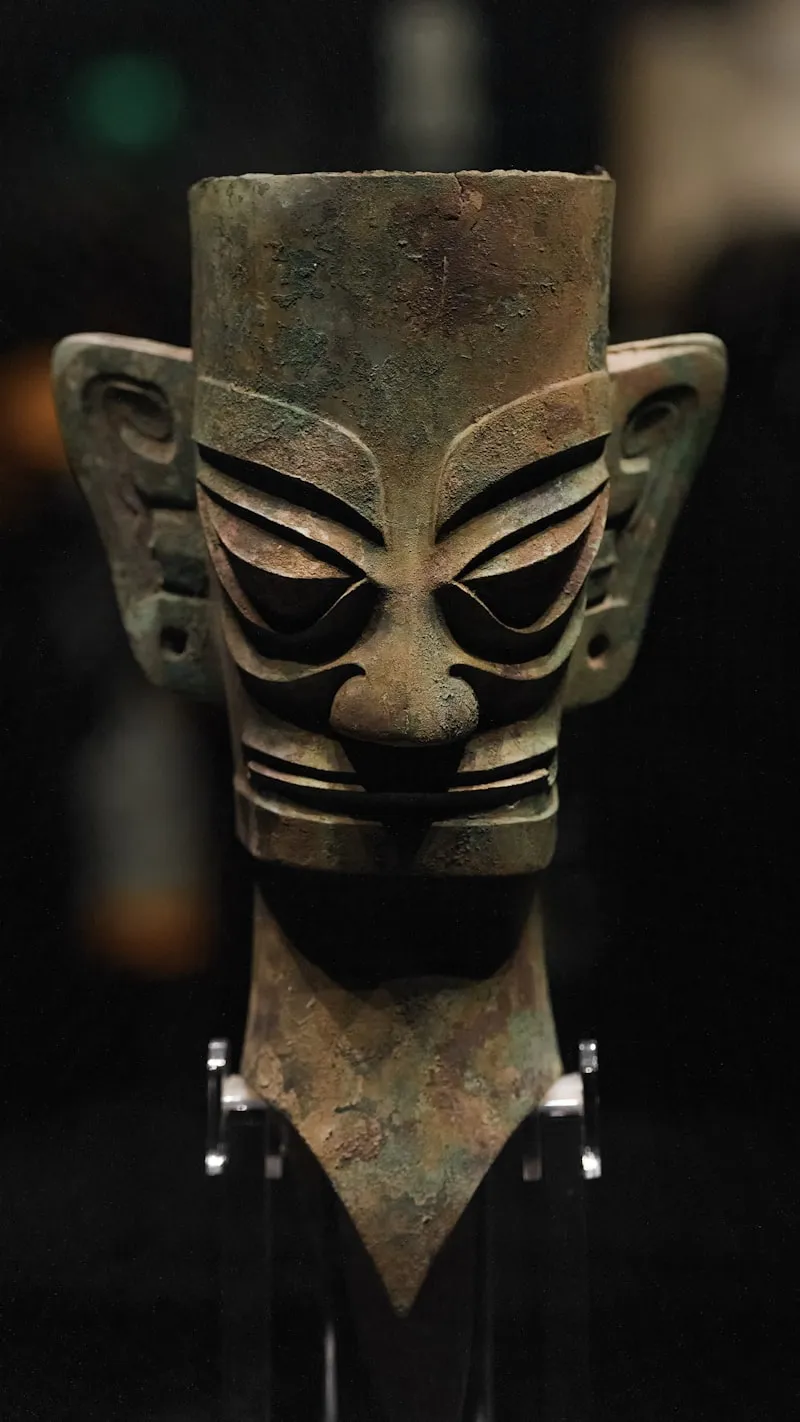
Shang Dynasty
Discover Shang Dynasty architecture: rammed-earth walls, palace foundations, and early Chinese urban planning. Learn about Zhengzhou and Yinxu sites with reconstruction images.
Key Features
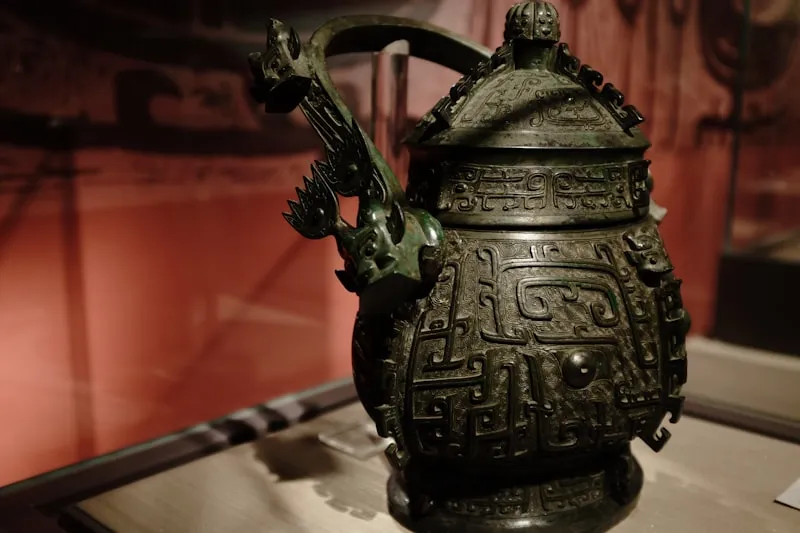
Zhou Dynasty
Zhou Dynasty architecture established China's first building codes: courtyard compounds, rank-based regulations, and ceramic roof tiles. Learn about the siheyuan layout and rammed-earth walls.
Key Features

Qin Dynasty
Qin Dynasty architecture laid the foundation for imperial China. Read about Xianyang Palace, early rammed-earth walls, and the architectural legacy of Qin Shi Huang.
Key Features
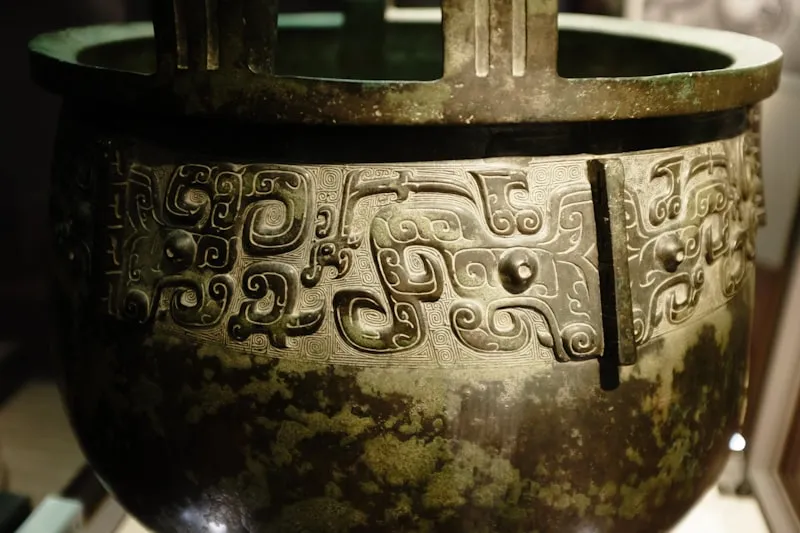
Han Dynasty
Multi-story towers, mature dougong, ceramic roofing, and the arrival of Buddhist architecture.
Key Features

Tang Dynasty
Explore Tang Dynasty architecture: grand wooden halls, Buddhist pagodas, city planning, and iconic buildings like the Giant Wild Goose Pagoda. Includes photos and floor plans.
Key Features
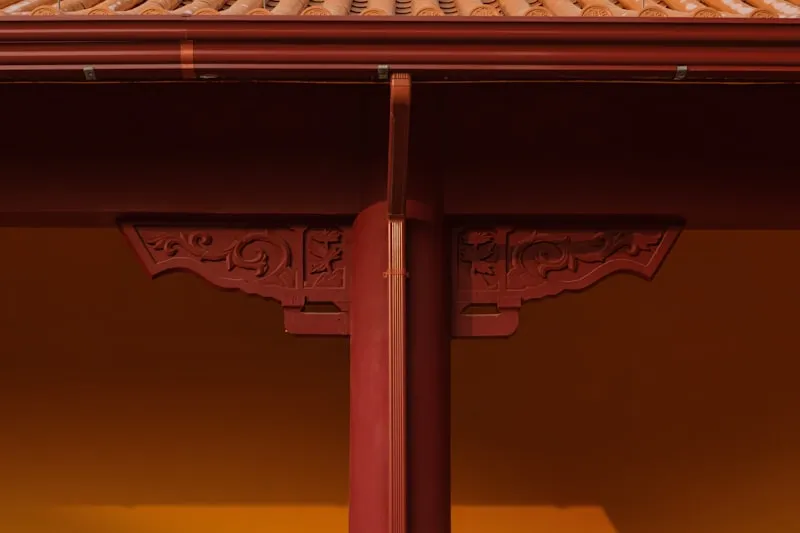
Song Dynasty
Song Dynasty architecture is known for graceful roofs, detailed bracketing, and garden design. See examples like Yingxian Pagoda and Kaifeng's city layout.
Key Features
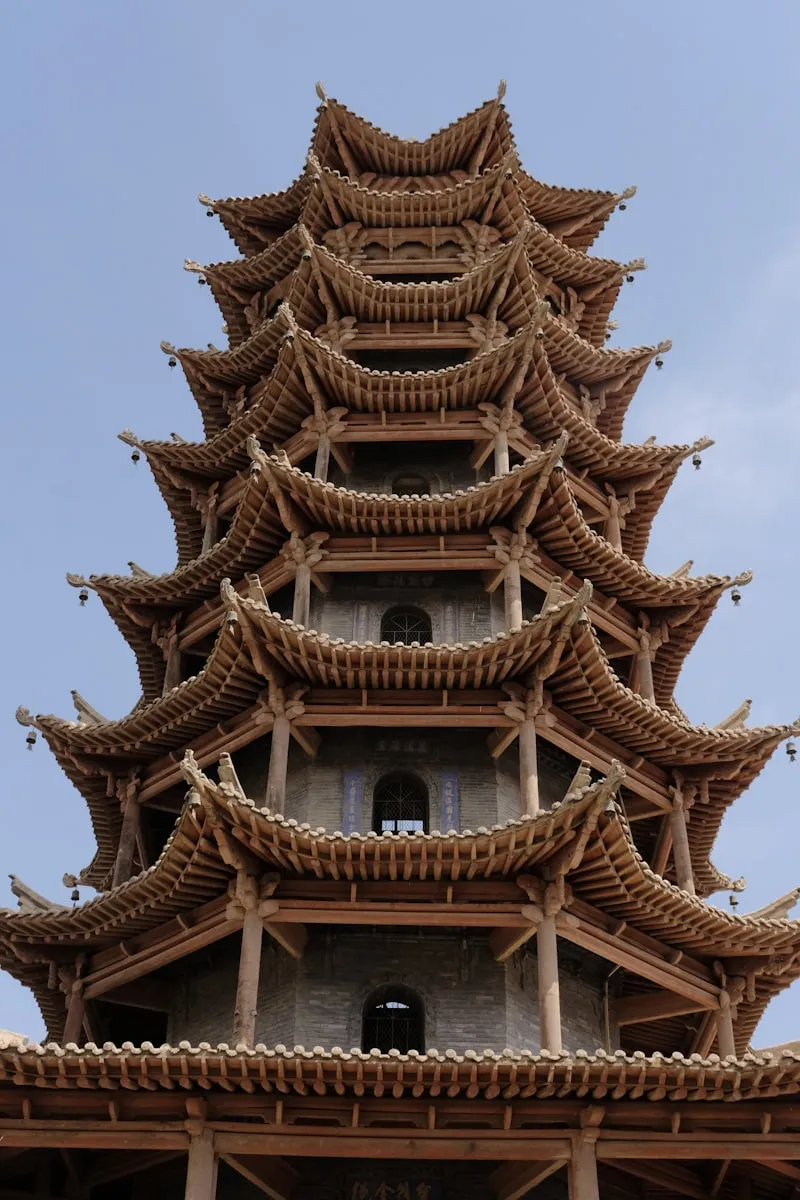
Yuan Dynasty
Yuan Dynasty architecture blended Mongol and Chinese styles. Learn about Dadu (Beijing), Buddhist temples, and the architectural changes under Kublai Khan.
Key Features

Ming Dynasty
Ming Dynasty architecture produced the Forbidden City and the Great Wall. Explore standardized timber modules, brick fortifications, and the mature classical style.
Key Features

Qing Dynasty
Qing Dynasty architecture includes the Forbidden City, Summer Palace, and elaborate roof decorations. Explore the last imperial building tradition in China.